Paul Shaw at the Letterform Archive 8 August 2024
Reading Type Specimens: From Cicero to Spoonie Diddel, Ladies Cicerone: Uncle Sam is Some Pumki! No more shall copy bad perplex my brain!
This August 8th live event at the letterform Archive in San Francisco is a follow-up to my recent talk at the St. Bride Foundation in London on the same subject. However, the talk will not be the same. Instead of the broad overview of the literary content of type specimens that I did for St. Bride, I will be narrowing my focus to texts that represent nationalism, patriotism, jingoism, nativism, and cultural chauvinism and limiting my sources to 19th century American type specimens.
Here are four examples of the kind of material that will constitute my August 8th talk at the Letterform Archive.

Canon German Text from Specimen of Printing Type, from the Letter Foundry of James Ronaldson (Philadelphia 1816). Image courtesy of Columbia University Rare Book and Manuscript Library.
Canon German Text from Specimen of Printing Type, from the Letter Foundry of James Ronaldson (Philadelphia 1816).
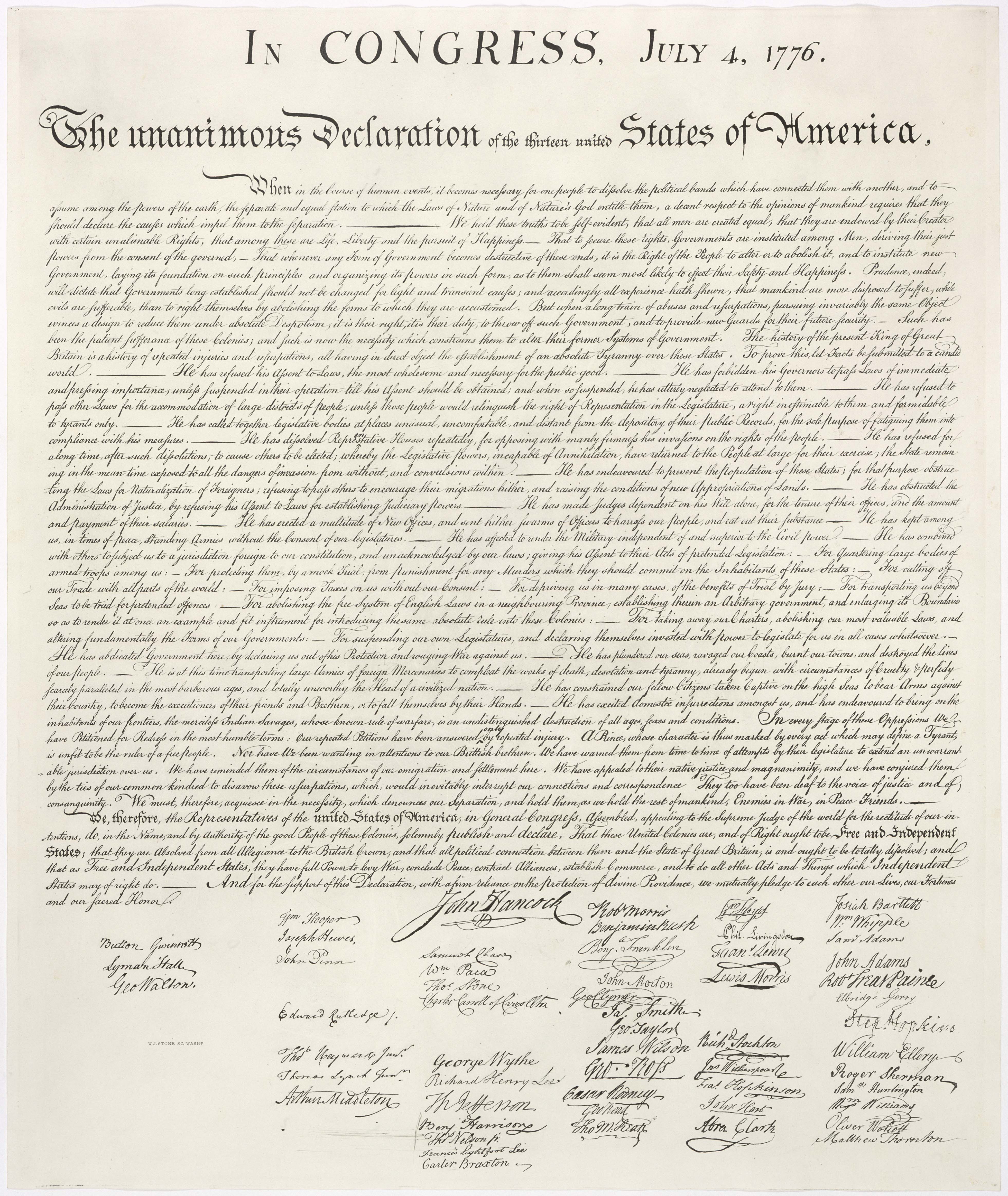
The text is a paraphrase of “We, therefore, the Representatives of the United States of America, in General Congress, Assembled…” from the last paragraph of the Declaration of Independence. The choice of Canon German Text echoes the calligraphic style used for the opening words of the document. Note that this type specimen was printed seven years before William J. Stone engraved his now familiar version of the Declaration of Independence. German Text was a common name for fraktur among American type foundries in the 19th century.

Ornamented types from Specimens of Printing Types, Borders, Ornaments, Brass Rules, &c. by Peter C. Cortelyou (New York 1857). Image courtesy of Columbia University Rare Book and Manuscript Library.
Ornamented types from Specimens of Printing Types, Borders, Ornaments, Brass Rules, &c. by Peter C. Cortelyou (New York 1857).
This page, showing a mishmash of various ornamented types, includes several patriotic and chauvinistic phrases: “Anniversary of the Battle of New-Orleans 1815“—a reference to the War of 1812 between Great Britain and the United States; “Representatives of the United States”; “The Land of the Free and the Home of the Brave” from The Star-Spangled Banner; and “The Order of the United Americans. January, 1853″—a reference to the Know-Nothing Party. “The Northern Liberties, Philadelphia 1854” line is not a historical reference but a geographic one. By the way, note the typo: “Distinguished American Auhtors”.

Antique types from Specimens of Printing Types, Borders, Cuts, Rules, &c. (Philadelphia: MacKellar, Smiths & Jordan, 1869). Image courtesy of Columbia University Rare Book and Manuscript Library.
Antique types from Specimens of Printing Types, Borders, Cuts, Rules, &c. (Philadelphia: MacKellar, Smiths & Jordan, 1869)
The type specimens of MacKellar, Smiths & Jordan are renowned for their humorous content, the work of lead partner Thomas MacKellar. They lack the nationalistic, patriotic or historical texts that populate the specimen books of most other American foundries of the time. MacKellar’s view of such material is made clear in this sample of Two-Line English Antique No. 5.

Style 302 from Our Handy Book of Types, Borders, Brass Rule and Cuts, Printing Machinery & General Supplies (New York: Bruce Type Foundry [1901]). Image courtesy of The Grolier Club.
Style 302 from Our Handy Book of Types, Borders, Brass Rule and Cuts, Printing Machinery & General Supplies (New York: Bruce Type Foundry [1901])
The last specimen book issued by the celebrated Bruce Type Foundry of New York is notable for having over eighty pages of quotations from, and references to, plays by William Shakespeare. Page 167, showing Style 302, is no different—except for the 48 point and 84 point lines. The texts for the smaller sizes all come from Act 2, Scene 1 of Julius Caesar, but those for the two larger sizes are a hidden reference to George Washington.
 TO TOP